


Languages often shape how we see the world that’s around us, and there are a few word pairs that reveal it way clearer than “nude” and “naked.” There are many people who swap these words without thinking. They assume they both mean the same things, but naturists, critics, and even historians have spent many decades teasing out some subtle difference between these two terms. To understand the distinction between being nude and naked, opens up a window to culture, personal comfort, and more. Ultimately, answers derived feel surprisingly liberating.
But what are these differences actually? Why are these terms ” nude and naked,” which have been used synonymously for so long by us, now being said to be different? Let us find out.
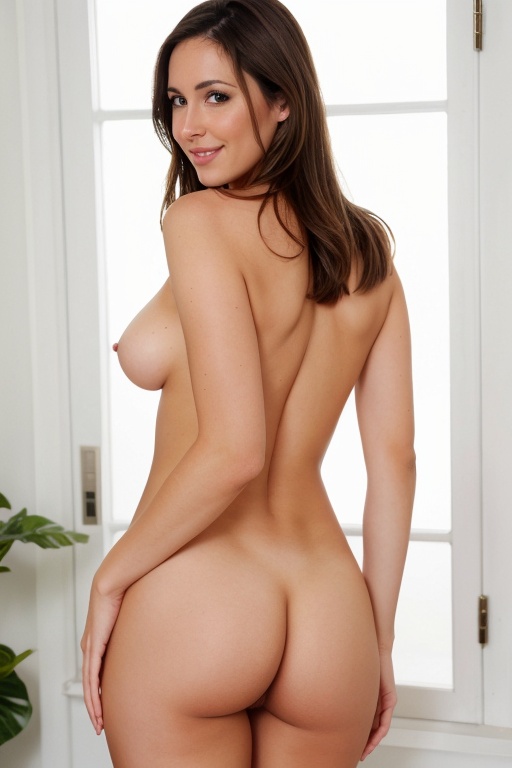
Is Being Naked Similar to Being Nude?
The answer to it is no, and the difference here matters way more than one can realize. So, when someone says naked, all our minds jump to vulnerability—being caught off guard or exposed without any preparation, etc. At these times, phrases like caught naked come to our minds way more easily than anything else, and the worst is that it carries embarrassment, discomfort and suddenness.
On the other hand, “nude” lands differently. Here nude women suggest a choice, intention and quite often some artistic value. As explained by a critic named Kenneth Clark in 1956, this term entered English quite specifically to help people understand that an unclothed body can be central to art, without any shame. Critics were in need of a world that did not carry embarrassment. So, they brought “nude” within educated use to describe confident, balanced and reformed bodies rather than defenceless and huddled ones.
The dictionary too backs it up. As noted by Merriam-Webster, “nude” as a term quite often applies to an unclothed human figure within art or in intentional settings. Naked, though, carries broader meanings like being devoid of some customary covering. Some learners from Oxford specifically connected nude to artistic representations. These were not just some academic distinctions, but they shaped how we all truly feel when we are bare and how others choose to perceive us.
Nude vs Being Naked: Understanding Key Difference
For understanding nude and naked terms, one must understand some key differences between these two terms. It will help clarify their positions just right.
Meaning—Dictionary and History Offered
As per Merriam-Webster, to be nude means to be devoid of covering. It often applies to human figures’ unclothed bodies in art or within some intentional settings. In contrast, to be naked carries a broad meaning like devoice of any customary covering. It appears within phrases like naked flames.
As noted by the Cambridge dictionary, naked simply means being without clothes. Oxford learners specifically connect being nude to artistic representations of human figures. All these definitions overall hint at emotional differences one feels in practice.
Critics and Supporters Perspective
John Berger, the writer of “Ways of Seeing,” argues that to be nude means to show one’s body in a manner that seeks attention. It invites judgment. However, to be naked means to be your true self, without truly caring about how others choose to judge you. He pointed to some modern examples like Cardi B, who made use of her body intentionally as a performer, vs “Free the Nipple movement,” wherein women wanted equality within showing themselves authentically, without any sexual undertones.
Intent and Purpose
Intention to remove clothes changes almost everything. When a model for an art class chooses to be nude, she is doing it with purpose. She is helping artists to study light and form. However, if she accidentally flashes a delivery person through her window, she feels naked. It is because it was not her intention.
Young Naturists America’s Felicity Jones explains that naturism includes the philosophy of respect and acceptance. It is not just about losing clothes. Experiences from accidental exposure to a meaningful presence get transformed with purpose.
Artistic Representation
Within art, the difference between nude and naked is striking. A naked figure within paintings is unidealized, realistic and focused upon a physical body, as it truly is. A nude figure though, is quite often idealized to be composed, balanced and confident.
Artists all throughout history have used the nude as a term to represent beauty, cultural ideals and prosperity. Renaissance paintings have shown nudes to be symbols of beauty. However, contemporary photographers might capture nakedness to explore truth and vulnerability. Either way, both these terms have value. However, these both terms speak different visual languages.
Emotional Vulnerability and Derived Confidence
A New York based nude model described how being nude transformed her self-image. As per her, growing up as a Black girl, she totally loathed her color as well as her skin texture, until modelling came in and challenged her to look past things that she had no control over.
Once in, as she describes, nudity changed her life. She suggests that when you are comfortable being seen, vulnerability truly transforms into confidence. Differences between feeling empowered and exposed often come down to community support and practice.
Sexuality
It matters quite a lot. There are many who assume that nudity is equivalent to being sexual. However, explicitly naturists choose to practice social nudity in a non-sexual way. As noted by Felicity Jones, people often imagine getting amped up by sexual environments. However, in reality, YNA has very rarely removed anyone for inappropriate behaviour. Arousal truly happens within a group setting, and when it happens, it gets handled discreetly with quick dips in the pool or towels. This emphasis stays on respect, equality and human connection.
Social Acceptance
Society treats terms like nude and naked differently. Being caught naked in public brings shame. It leads to embarrassment and many times legal troubles. However, to be nude within some appropriate settings like designated beaches, art galleries, etc., is embraced as well as celebrated.
Body Positivity and Acceptance
Naturism fosters body acceptance naturally. Reportedly, Felicity Jones grew up visiting Rock Lodge Nudist Club, New Jersey, where she was able to see human bodies in their different forms. This kind of exposure ensured to protect her from all cultural messages that suggest that only some bodies deserve to be seen.
When one regularly sees real bodies of different ages, shapes, colors and sizes, they stop judging themselves against all impossible standards. Acceptance comes in naturally from repeated exposures to human diversity.
Difference in Experiences
Modeling for art in one’s 20s as nude teens can feel empowering—a young and beautiful body that loves to be enjoyed and studied with the eyes of artists. But this same body in one’s 70s carrying sags, scars and aches, can bring in totally different feelings. It is at that age that it becomes about being bare. In short, how all of us feel about our bodies and in our bodies at various life stages actually creates different experiences of being bare.
Philosophy and Practices
Nudism focuses upon a practice that supports enjoying freedom of movement, no chafing from fabric and sun on skin. It is a simple and straightforward joy. Naturism, though, wraps up this entire practice within a broad philosophy—having harmony with nature, showing respect to others, caring about the environment and non-sexual social nudity being part of living. The International Naturists Federation has defined it as a means of life in harmony with nature.
Note: There are many who start as nudists but years of being within the community, shifts them towards being a naturist and thinking about it all naturally.
End Note
The difference between nude and naked truly lives not in one’s body but within experience. To be naked can be exposed, vulnerable, as well as accidental. However, to be nude feels peaceful, present and chosen. Both nude and naked terms describe similar physical reality. However, the emotional landscape offered remains different.
So, whether one tries to explore naturism for the 1st time or they are just curious about their comfort levels, it’s important to know that the term which one chooses shapes how they feel. Ultimately, feeling at home in one’s skin—whatever that one might call it—is one of the most freeing experiences.